Why Structure Was a Statement in the Harlem Era (Part 2.)
There are moments in history when fabric carries more than weight. In the early twentieth century, Harlem’s streets were alive with intellectual awakening. But beyond poetry readings and jazz clubs, another quiet transformation was taking place — in tailoring shops and alteration rooms. Clothing was no longer passive covering. It was declaration.
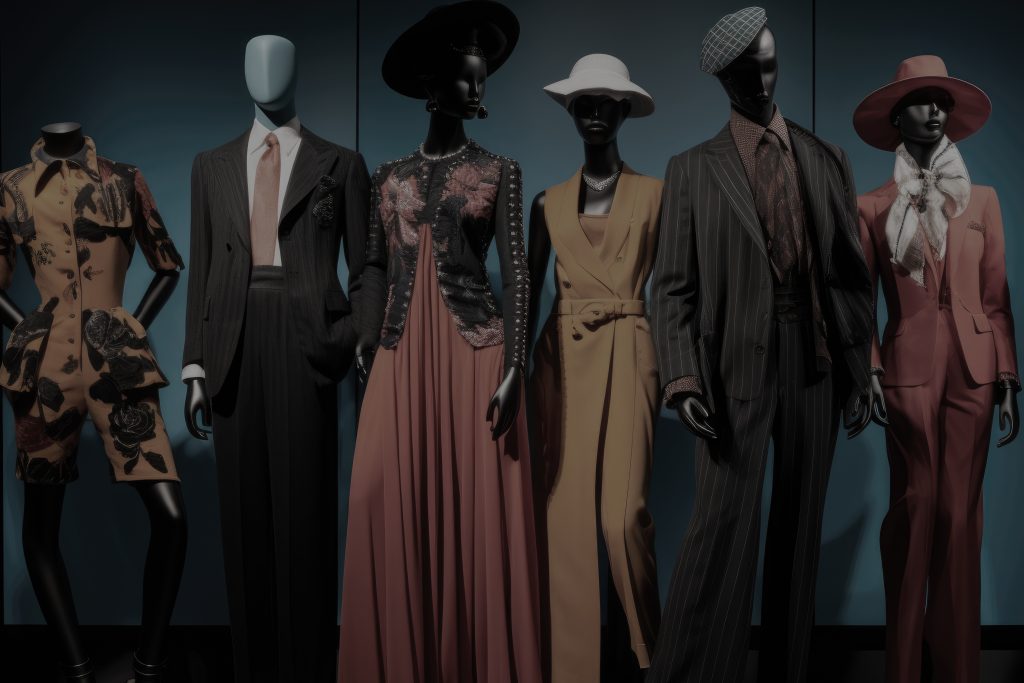
During the period recognized as the Harlem Renaissance, Black identity was being reconstructed in public view. But social freedom lagged behind creative visibility. Structural discrimination remained intact. Economic mobility was limited. Citizenship was contested. Within this tension, presentation became architecture. Suits were cut precisely. Shoulders structured. Lapels intentional. Hats angled with calculation. Shoes polished to mirror finish. Structure signaled presence. It was not vanity. It was discipline.
In environments where one’s humanity was often reduced, tailored garments reasserted dimension. A structured jacket became a counter-argument. Clean seams became silent resistance. Craft became language.
The Discipline of Construction
When we examine period photography from Harlem in the 1920s, what stands out is not extravagance — it is control. Lines are sharp. Fits are considered. Nothing feels accidental. Tailoring requires measurement. Pattern drafting. Patient alteration. Repetition. Refinement. It requires attention. The act of building a garment by hand is inherently slow. And slowness, in an industrializing era, was counter-cultural.
Factories were accelerating production. Uniformity was efficient. Mass manufacturing reduced individuality to size categories. Yet within Harlem’s ateliers, garments were shaped around specific bodies. Craft rejected anonymity.
This principle lives inside 420 LTHRWRX. Our silhouettes are measured before they are styled. Stitch lines are intentional before they are aesthetic. Edges are burnished slowly, not machine-coated. Quiet masculinity is structured, not oversized. Discipline becomes identity.
Hemp and Leather as Modern Declarations
Today, the industrial system has evolved. Fast fashion dominates. Synthetic fibers mimic texture but abandon durability. Chrome tanning accelerates leather production at environmental cost. Speed is normalized. Choosing hemp and vegetable-tanned leather is not simply environmental positioning. It is structural positioning. Hemp fibers strengthen with use. Vegetable-tanned leather darkens, softens, records time. Both materials require patience.
When 420 constructs a Hybrid piece, we are not simply blending fabrics. We are blending histories of utility and refinement. The garment becomes declaration again. Not loud. Not logo-driven, but deliberate.
Identity Without Excess
The Harlem Renaissance understood something modern branding often forgets: You do not need spectacle to communicate strength. You need structure.
The Quiet Renaissance inherits this lesson. We remove excess branding because identity does not require amplification. We prioritize construction because construction is character. The wearer should not be overwhelmed by the garment. The garment should refine the wearer. This is craft as identity. And it remains relevant.
Workshop Reflection
If the Harlem Renaissance taught us anything about clothing, it is this: When narrative control is contested, material control becomes essential. The hand returns dignity to the body. And dignity is always in the details.