
Why Longevity Was Cultural Intelligence (Part 3)
Before disposability became normal, repair was expectation. Shoes were re-soled. Jackets were altered. Leather was conditioned. Fabric was patched. Repair was not scarcity. It was stewardship.
During the Harlem Renaissance era, economic resources were constrained. But the culture did not respond with neglect. It responded with maintenance. A well-kept suit communicated pride. Polished shoes communicated attention. Repaired garments communicated continuity.
This relationship with material longevity reflected deeper cultural intelligence. Value was extended, not replaced.
The Industrial Temptation
The early twentieth century marked the acceleration of consumer goods manufacturing. Ready-to-wear clothing became more accessible. Standardized sizing replaced custom measurement. Convenience entered the wardrobe. But convenience erodes relationships. When a garment is easily replaced, it is easily discarded. When it is easily discarded, it loses narrative. The Quiet Renaissance rejects disposability.
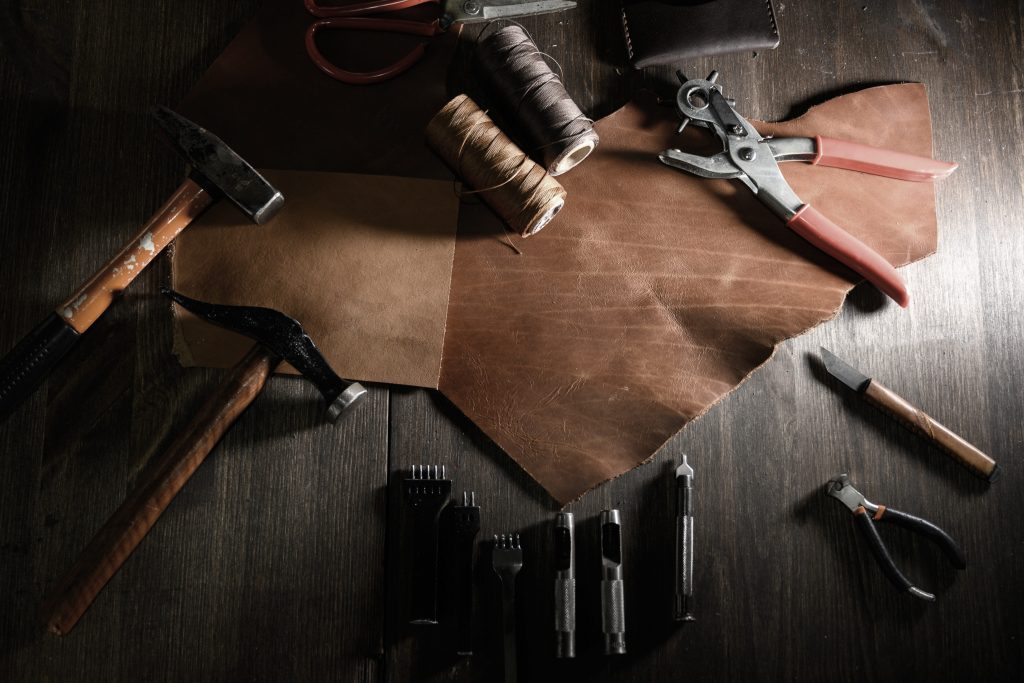
420 LTHRWRX constructs products intended to outlast trends. Vegetable-tanned leather can be reconditioned. Stitching can be repaired. Hardware can be replaced. We build with the assumption that the product will live with you, not cycle past you.
Hemp as Structural Longevity
Hemp fibers are among the strongest natural textile fibers available. They resist tearing. They soften over time without thinning prematurely. Hemp was once used for rope and sailcloth, materials required to withstand tension and weather.
To use hemp today in Hybrid construction is to reintroduce structural durability into fashion. This is not aesthetic sustainability. It is mechanical sustainability. Repair becomes possible when the foundation is strong.
Resistance Through Maintenance
There is something culturally powerful about maintaining what you own. It signals I will not be rushed. I will not be dictated to by trend cycles. I will not outsource responsibility.
During the Harlem Renaissance, cultural production was about reclaiming narrative. Maintenance of material mirrored that philosophy. The Quiet Renaissance applies that lesson to manufacturing. When you purchase a 420 piece, you are not purchasing novelty. You are purchasing continuity. Repair is not inconvenience. Repair is participation.
In a world optimized for replacement, repair becomes rebellion. And rebellion, when disciplined, becomes refinement.