
Patina Is Proof
Why the Best Materials Tell the Truth
There is a difference between something that gets old and something that grows into itself. Most products are designed to conceal age. Scratches are treated as defects. Fading is viewed as failure. Wear is something to be replaced as quickly as possible. The modern consumer has been conditioned to expect permanence without change, yet the two are not the same.
The finest materials do not remain untouched. They evolve. They carry evidence of time, movement, and use. They develop character rather than simply accumulate damage. This is the difference between deterioration and patina.
During the Harlem Renaissance, identity was never static. Artists, musicians, writers, and craftsmen understood that culture is shaped through lived experience. Every performance, every poem, every carefully tailored garment reflected not only talent, but the experiences that gave it depth. Nothing meaningful emerged fully formed. It was refined through repetition, practice, and time.
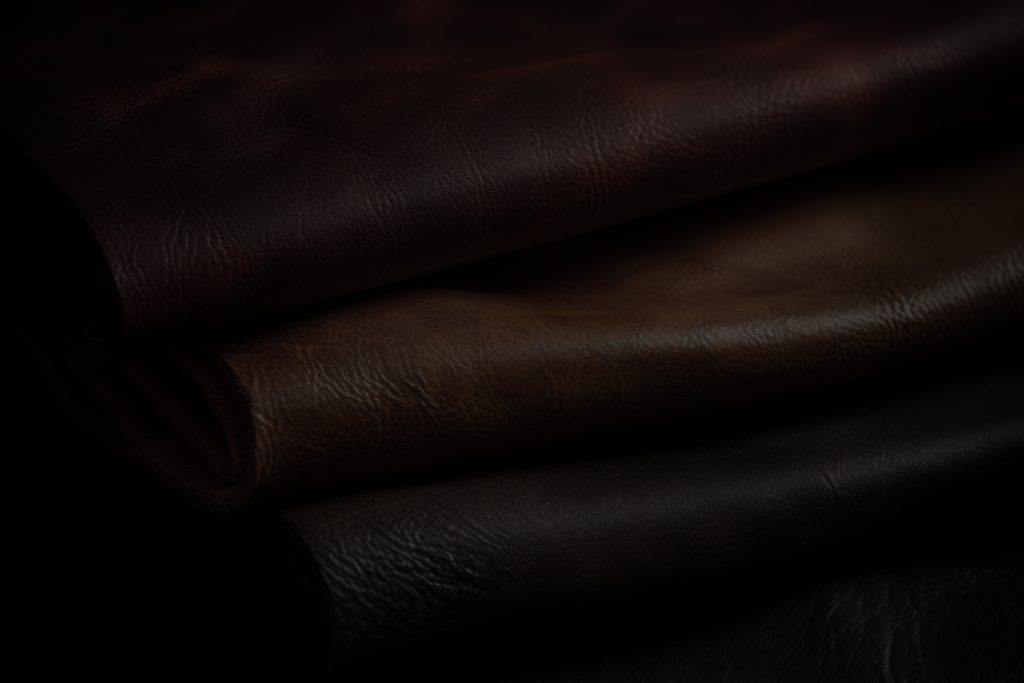
Materials follow that same philosophy. A piece of vegetable-tanned leather leaves the workshop looking complete, but it is not yet finished. Its final appearance cannot be manufactured because it depends on the life of the person who carries it. Sunlight deepens its tone. Oils from the hand soften its surface. Small marks become part of its visual language. The material remembers. That memory is what makes it valuable.
Unlike synthetic materials engineered to appear identical from the day they are produced until the day they are discarded; natural materials record their relationship with the world. They acknowledge that beauty is not found in resisting time but in revealing it honestly. This philosophy is central to how 420 LTHRWRX approaches craftsmanship.
We are not interested in creating products that look untouched forever. We are interested in creating products that look better because they have been lived with. Every crease, every softened edge, every darkened handle becomes part of the object’s biography. The product is no longer simply something you own. It becomes something you have experienced alongside. That distinction changes the relationship between maker, object, and owner. It also changes how we think about luxury.
For decades, luxury has often been defined by perfection frozen in time. Store displays celebrate flawless surfaces and immaculate finishes. Yet true craftsmanship has always understood that perfection is not the absence of change. It is the confidence to allow change to happen naturally.
A handcrafted saddle, a well-worn leather journal, or a pair of boots maintained over decades all share a common quality: they tell the truth. Their surfaces cannot hide the miles traveled. Their beauty comes from evidence, not illusion. The same principle applies to hemp.
Hemp is often introduced through sustainability statistics, but its greatest quality may be its honesty. Its texture remains unmistakably natural. Its fibers soften with repeated wear while retaining remarkable strength. Instead of breaking down under use, hemp gradually becomes more comfortable, adapting to its owner without sacrificing integrity.
Together, hemp and vegetable-tanned leather create a partnership rooted in authenticity. Neither material pretends to be something it is not. Neither relies on synthetic coatings to imitate character. Instead, both reward patience. That patience stands in direct contrast to the culture of instant gratification.
Fast fashion promises immediate satisfaction through constant replacement. Products are designed for short life cycles because repeat purchasing is built into the business model. Novelty becomes more valuable than permanence. Consumers are encouraged to discard rather than maintain. The Quiet Renaissance rejects this rhythm.
Craftsmanship asks different questions. Will this material still have purpose ten years from now? Can it be repaired instead of replaced? Will it tell a richer story with every season of use? If the answer is yes, then the object has the potential to become an heirloom rather than a possession. This idea is not nostalgic. It is practical.
Throughout history, communities understood that well-made objects deserved care because replacing them was costly. During the Harlem Renaissance, many families-maintained garments, shoes, luggage, and household goods through repair and stewardship. Preservation was not merely economic. It reflected respect for labor. Someone had made these objects with skill. Caring for them honored that work.
Today, convenience often obscures the human effort behind manufacturing. We rarely know who stitched a seam, finished an edge, or selected the leather. Products arrive detached from their makers, reducing craftsmanship to an invisible process. 420 LTHRWRX seeks to restore that connection. Every stitch represents time invested by human hands. Every burnished edge reflects deliberate attention. Every material choice expresses a philosophy before it becomes a product.
When customers see patina developing across a leather panel or notice hemp becoming softer after years of use, they are witnessing craftsmanship continue beyond the workshop. The maker begins the story. The owner finishes it. That shared authorship is one of the oldest traditions in craft. It reminds us that an object is never truly complete when it leaves the bench. Completion happens through use, maintenance, and memory.
In many ways, this mirrors the broader lesson of the Harlem Renaissance itself. The movement was not defined by a single generation of artists or thinkers. Its influence expanded because each generation inherited its ideas, reshaped them, and carried them forward. Identity was never fixed. It matured through participation. Materials deserve the same opportunity. Rather than freezing them in artificial perfection, we allow them to evolve honestly. Rather than fearing wear, we recognize it as evidence that an object has fulfilled its purpose. Patina is not damage. It is documentation. It records where you’ve traveled, what you’ve carried, and how you’ve lived. It transforms leather into an archive and hemp into a companion.
At 420 LTHRWRX, we believe the finest products should never become anonymous with age. They should become unmistakably yours. That is why we choose materials that reveal rather than conceal. Because in the end, craftsmanship is not measured by how well an object resists time. It is measured by how gracefully it tells the truth about it.